Food is a hot topic these days and will continue to be in the next few decades as Earth's population grows to record numbers...every year. Food has taken the spotlight high atop the green podium due to the massive amounts of chemical pesticides used for agriculture as well as the enormous amount of transportation-elated energy that is required to provide us all with raspberries in January. Terms such as organic, locavore, CSA, and most importantly community gardening have become common language for many progressive westerners. Over the last decade there has been an increasing trend toward growing one's own food. This can be attributed to the rising costs of food as well as to light being shed on CAFOs and the massive amounts of media attention focused on the conditions in which our foods are grown and nurtured.
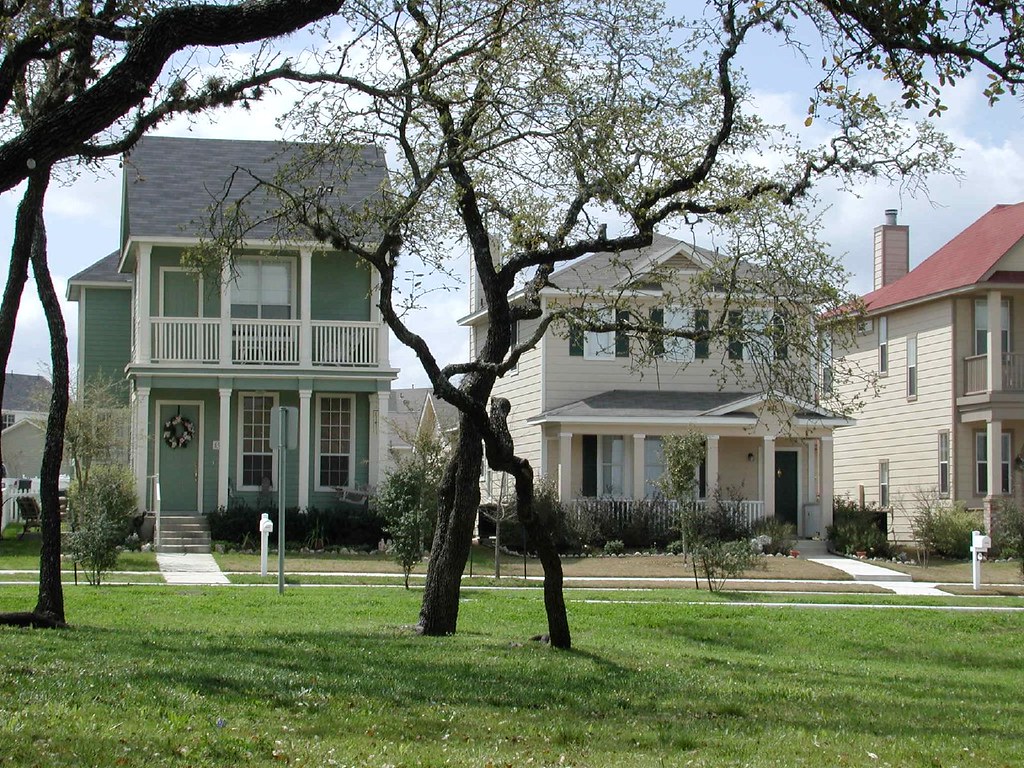
 Overall, food prices are rising, which isn't exactly helpful to the middle class worker. This is leading to a movement toward homesteading: if you can't afford to buy food, grow it yourself. Shrinking cities are filled with abandoned lots waiting to be developed; however, seeing the state of economy, one can figure that won't be happening for a while. In the meantime, residents in these neighborhoods can capitalize on this open space by planting and harvesting a garden, thereby reducing their grocery costs. There is a significant movement to convince the Feds to plant a garden on the White House lawn. This symbolizes the American movement toward urban gardening and sustaining oneself with the land that one maintains. You don't even need a lot of land to hop on the garden train: some folks in New York have started a Chicken Coop Co-op in their tiny backyard. It's apparently become quite the hit as the local breakfast spot offers a specialty dish using only eggs from this co-op. According to UrbanChickens.org founder K.T. LaBadie,
Their [eggs] production cost is cheap: you can buy chickens for as little as a couple of dollars, and three hens will likely average about two eggs a day. You can also use their waste to help revitalize a garden...There've been recalls on everything from beef to spinach, and I think people want to have peace of mind knowing their food is coming from a very trusted source.
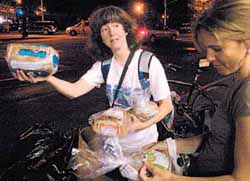 Another trend that has garnished a lot of attention in the last 10 years is the growth of the Freegan Movement. If you aren't familiar, the concept is to eat only what you can find for free. This usually includes scavenging through bakeries' and big box stores' dumpsters for bagged and canned goods. In New York, there was a Freegan group who would throw rooftop parties and everyone was required to bring some found food. I'm not saying it's a great idea, but people are doing it, and loving it. In the western world we tend to undervalue what goes into our bodies. Rarely is a plate scraped clean, and a massive amount of organic waste is created. Likewise, bakeries and grocers overstock, causing outdated items to be pitched. This group capitalizes on the waste of others. For some, dumpster diving has taken on a new image in the 21st century as a rouge sport as opposed to a last resort for the poor. Many of the people taking part in these events have jobs and don't need to dumpster dive. They do it for the experience.
Posh to be Poor? Introduction
Posh to be Poor? Transportation
(Photos from Eat the View, New York Times and Freegan.Info. The original full-sized versions can be viewed by clicking the photos.)